In a Twodimensional Art Form the Actual Flat Surface on Which the Work Is Executed Is Called the
Three-dimensional art pieces, presented in the dimensions of height, width, and depth, occupy concrete space and can exist perceived from all sides and angles. On the other mitt, 2-dimensional works of art, which are created on flat surfaces, tin can only be observed in terms of height and width. Traditional types of 3-dimensional media, similar sculptures and reliefs, have been around since the beginning of homo history as evidence of people's' need for artistic expression.
Sculptures take been predominant 3D art forms for centuries, evolving continually throughout unlike periods of art history. However, progressive art movements that boomed in the 20th century challenged the traditional perception of fine art, introducing unconventional fine art mediums to express their aesthetic and principles. This process resulted in the appearance of installation art and operation art every bit the contemporary variants of 3D media.
This article will present the evolution of these three-dimensional media throughout history, focusing on unlike art mediums and techniques used in creating 3D artworks worldwide.
The Traditional 3d Art Forms
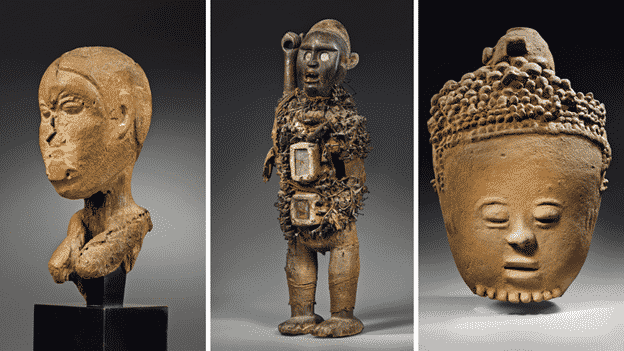
In the beginning, people created statues out of rock and wood. The first preserved art object was a small, rock-carved female person figurine that dates dorsum to 230,000 years B.C. There was an assortment of similar figurines establish all over Europe. It is believed that these statues symbolized female fertility and played pregnant roles in various rituals and ceremonies. These roughly carved art pieces presented our ancestors' start attempts to use natural materials to translate their behavior into a physical shape. Traditional iii-dimensional types of sculpture derived from these basic art pieces are:
- A free-standing sculpture
This is a ascendant 3Dart grade that has been evolving since ancient times. As the name states, it is an independent art object that usually represents people, animals, or abstract motives. Artists use stone, wood, or metal to create statues, and the choice of the correct fine art medium depends on the size and complication of the artwork.
- Reliefs
Equally opposed to free-standing statues, relief sculptures emerge from the groundwork as elements of a larger piece of art. Nosotros can recognize several unlike types of reliefs. Bas reliefs represent three-dimensional compositions with statues slightly standing out against a background. On the other hand, we have high relief artforms with statues projecting dominantly from the base. Sunk-relief is an art type commonly related to ancient Egypt, and it represented figures carved into the base.
Different Techniques Applied in Creating 3d Art
Artists have applied diverse techniques to dispense rock, wood, metal, or clay and transform them into desired art objects. The choice of art medium depends on the kind of statue you want to brand. Typically, people apply the following art techniques when creating iii-dimensional art:
- Stone or forest etchingis a process of cutting out pieces of fabric until you get the desired shape. This is one of the oldest art techniques that dates back to prehistoric times.
- Casting is an artistic method applied when working with metal as a chosen art medium. This creative process involves pouring hot metallic into pre-prepared molds to create colossal statues or compositions. Bandage statuary sculptures are common representatives of this creative method.
- Weldingis a creative method of blending two metal pieces to create a sculpture element. This technique is common in constructing 3-dimensional pieces combining different elements.
- Glass art techniquesinvolve handling hot, warm, or cold drinking glass to shape and model this medium. There are various techniques applied in this artistic procedure, including glass blowing, casting, and sculpting. Common cold glass techniques are engraving, rubbing, sandblasting, and acid etching.
Sculpture in Ancient Times
We will offering a short recapitulation of the development of sculpture as an art form, and we will offset with the ancient civilizations that start developed a distinctive artistic style.
Ancient Egyptian Fine art
Sculptors in aboriginal Egypt were remarkably consistent in presenting feet, legs, and the caput, accompanied by a frontal presentation of the torso and an eye. This seemed to be the most user-friendly way for them to finish every piece. Another typical Egyptian sculpture is a seated statue, and these were typically placed in the tombs of royalty and other respectable people. These luxurious royal statues were usually accompanied past a number of smaller modest sculptures that represented the servants who needed to help their masters in another life. These smaller figures were besides intricately sculpted.
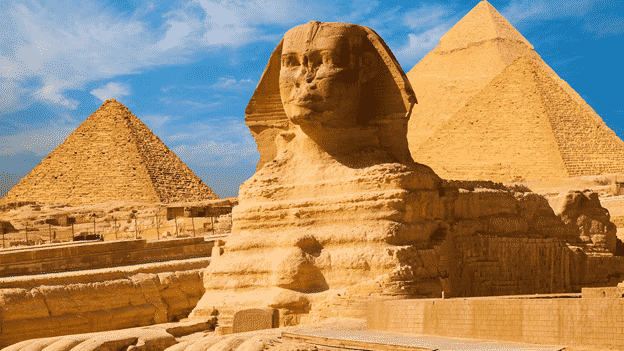
The statue of the Sphinx is the most famous Egyptian landmark, and information technology stands to guard the entrance of the pyramids at Giza. With the body and head of a lion and a human confront, this is ane of the most awe-inspiring statues of the ancient earth.
The Classical Ideal of Greek Sculpture
Ancient Greeks were the beginning to introduce the thought of beauty and proportion into art, thus setting the foundations for traditional Western art. They tended to cultivate the creative way of heroic realism, presenting people in a naturalistic style that required excellent skills. Ancient Greeks worshiped human beauty and created nude statues to celebrate it. These nudes are amidst the greatest achievements of classical art.
Edifice and decorating the Parthenon marked the peak of classical Greek sculpture. The statues and reliefs for this aboriginal temple were finished within ten years, involving an array of skilled sculptors. The tradition of using reliefs and statues as ornaments stems from this period, and it went on to dominate the medieval European styles.
Indian Sculpture
Indian art dates back to the tertiary centuryB.C. when the first Indian dynasty ruled. Sculptors created reliefs that depicted stories from the nigh prominent Indian religions, Hinduism and Buddhism. The presentation of characters is mainly frontal as if they are facing a photographic camera. The virtually staggering motif in Indian sculpture of that fourth dimension is that of a full-breasted adult female captured in near unusual poses.
History of European Sculpture from The Middle Ages to Modern Times
Medieval Sculpture
The most significant medieval European styles are Romanesque and Gothic. These styles are usually related to architectural sculpture, where three-dimensional pieces of fine art decorated the church building columns. Medieval sculptors allow their imagination run wild when decorating these columns with brilliant Biblical scenes and grotesque monsters. This was ofttimes met with stiff disapproval of the church establishment. Gothic is another recognizable artistic style that originates from the 12th century. Typical gothic sculptures are elongated and very thin, continuing on narrow pedestals, their bodies covered in robes and their faces beaming with serenity.
Renaissance
After the Middle Ages, the Renaissance came as a long-awaited menses of liberation and reformation. This was one of the most pregnant and almost fruitful periods in fine art history. When we talk about sculpture, everything revolves effectually Italy and smashing Italian masters who embraced the Greek platonic of beauty and proportion and incorporated it in their works of art.
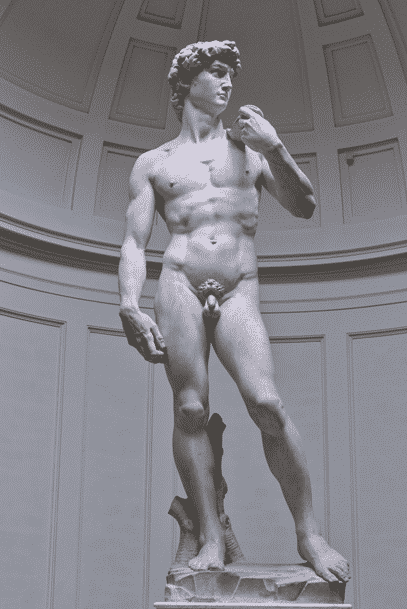
Mikelangelo stands out among others with his extraordinary genius and vision of sculpture. The author ofDavid prepare the bar high, creating a timeless masterpiece from a single marble block that another sculptor had discarded.David is an example of an intricately detailed sculpture, and the facial expression perfectly depicts the mood.
Baroque
This 18th-century creative style, warmly welcomed past the Roman church building, nourished excessive ornament and over-the-pinnacle details. This artistic way represented all the things Protestants despised -opulence, way, and detailed presentation of Biblical scenes.
Neoclassicism
Coming afterwards the over-accentuated Baroque period, Neoclassicism came equally the age of sobriety and returning to the values of classic art. Sculptors went dorsum to worshipping the human being body and creating sculptures with immaculate details.
Contemporary 3d Art Forms
The 20th century brought liberation from the ascendant influence of classic art. Rodin and another 19th-century sculptors inspired this shift with their works of art. Finally, sculptors started seeking other part models. African sculpture and Aztec masks had a significant bear on on three-dimensional artists.
This century also marked the rise of glass art equally a 3D fine art form. Artists started recognizing favorable features of drinking glass that allowed shaping and modeling. Present, there are significant glass art pieces, like sculptures and installations.
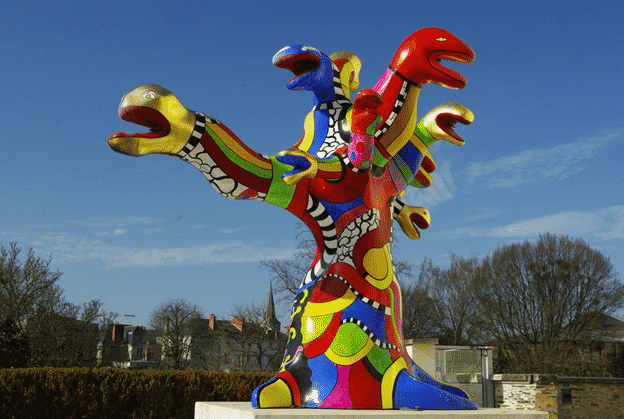
The art scene also witnessed the birth of installation and performance as innovative 3D art forms. Artists decided to challenge sculpture every bit a dominant class and turned to creating large-scale installations using unconventional materials. In this way, they wanted to emphasize the bug they cared most and make them accessible to a broader audience.
Performance artists use their bodies as the medium to express their creative visions and principles. Operation art projects may involve an assortment of participants or but the author. These may be multimedia events with light effects or video projections, or they may rely on the author'due south interaction with the audition. Evidently, performance art allows authors to choose the perfect way to express themselves, and this is ane of the most significant advantages of this artform.
Terminal Words
This concludes our account of the broad variety of 3-dimensional fine art forms, post-obit the development of iii-dimensional media, from stone-carved prehistoric figurines to raw, improvisational and innovative art performances. This evolution procedure of gimmicky fine art volition continue, especially with the help of advanced technologies similar 3D press that take a significant touch on the earth of art.
Source: https://www.artdex.com/what-are-the-different-types-of-three-dimensional-art/
0 Response to "In a Twodimensional Art Form the Actual Flat Surface on Which the Work Is Executed Is Called the"
Post a Comment